15+ Years of Proven Performance



Industry
Tissue, Pulp & Paper
Location
Canada
Solution
FLU-ACE™
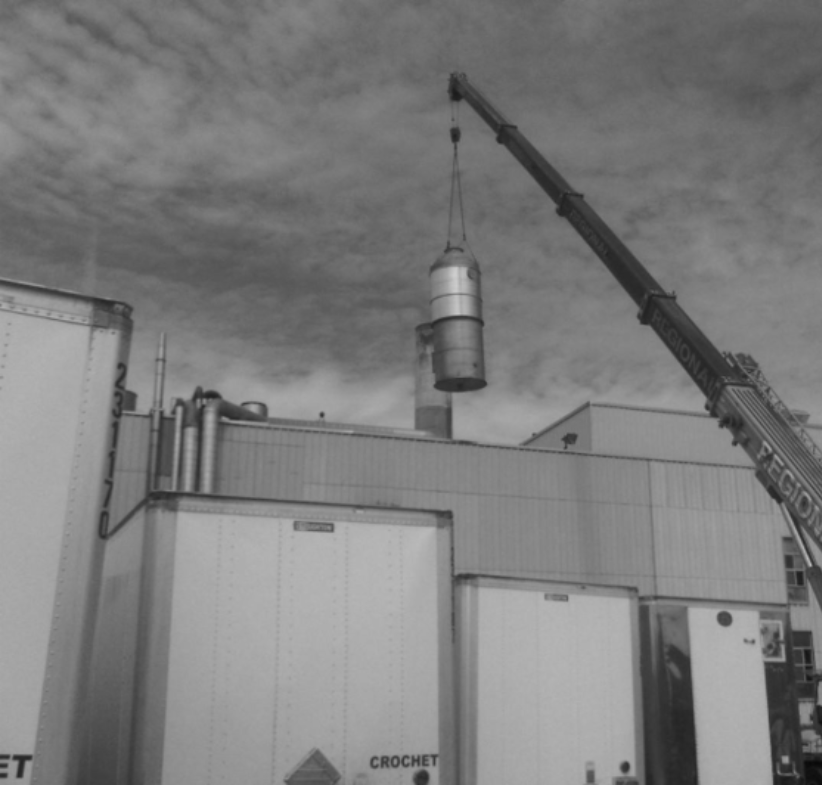
Heat Recovery from Moisture Rich, Fibre Laden Tissue Machine Exhausts
With a heat recovery capacity of 30MMBtu/hr, Thermal Energy International’s proprietary FLU-ACE condensing heat recovery system was engineered and sized specifically to accommodate the magnitude of recoverable energy available at the site.
The system recovered waste heat from the Yankee hood and dryer exhaust air streams, which were used to displace steam demand by heating the following:
-
Machine #3 shower water;
-
Reclaim pulper make-up (white) water;
-
Chemistry (kitchen) water;
-
Boiler plant make-up water; and
-
Plant make-up air.
Since the system became operational, the facility has achieved annual cost savings of approximately $2 million, alongside a reduction in CO₂ emissions of 8,853 tonnes per year. These results correspond to an annual fuel use reduction of more than 15%.
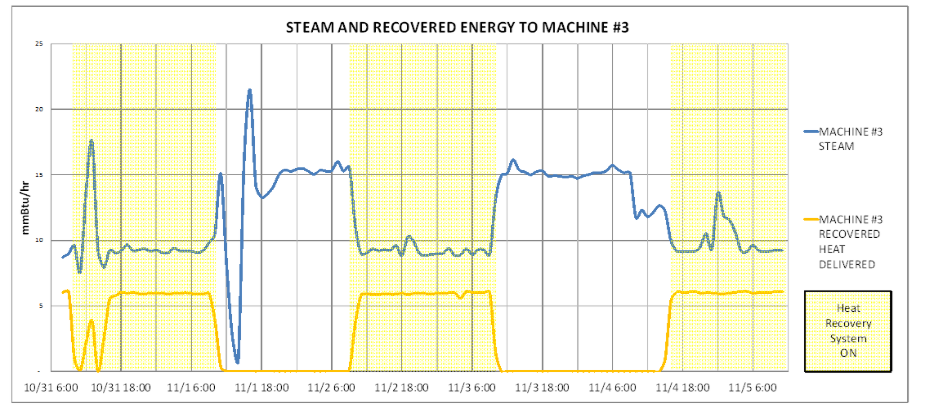
This graph demonstrates that recovered heat from the FLU-ACE system directly replaces steam input at the tissue machine, resulting in lower steam demand and reduced fuel consumption.
This project demonstrated the adaptability of the FLU-ACE technology and the value of specialist engineering expertise in determining where recovered heat can be effectively applied within moisture-rich, fibre-laden tissue machine exhaust streams and interconnected process and utility systems.
Sustained Performance Over Time
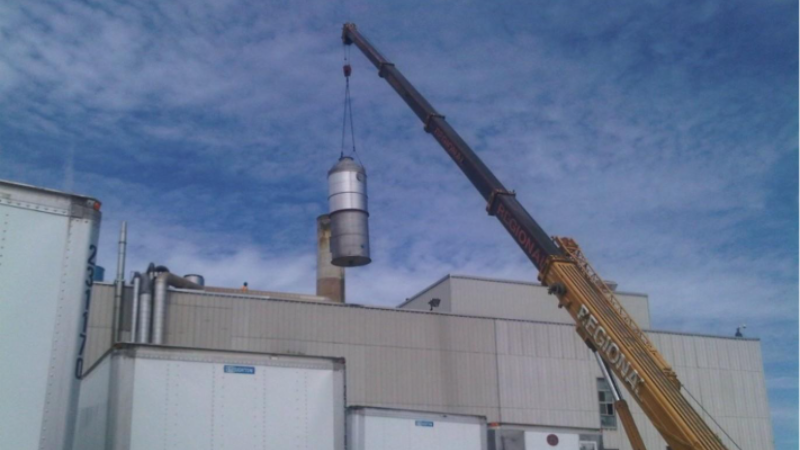
This project remains relevant because it demonstrates how well-designed heat recovery infrastructure can continue to deliver value long after initial installation. By addressing fundamental sources of thermal loss and integrating recovered heat into core process and utility systems, the FLU-ACE system became part of the site’s long-term energy infrastructure rather than a single-purpose efficiency upgrade.
As production requirements, converting capacity, and overall site energy demands evolved over time, the system continued to displace steam demand and reduce fuel use without requiring fundamental changes to the original configuration. This highlights the importance of designing heat recovery systems around how recovered energy will be used across the plant, ensuring durability, flexibility, and sustained performance under changing operating conditions.