Leading Meat Company
This project secured several white certificates, helping to reduce the payback period to under one year and delivering annual energy savings of approximately 600 MWh.

Meat Processing

Poland

GEM™ Steam Traps
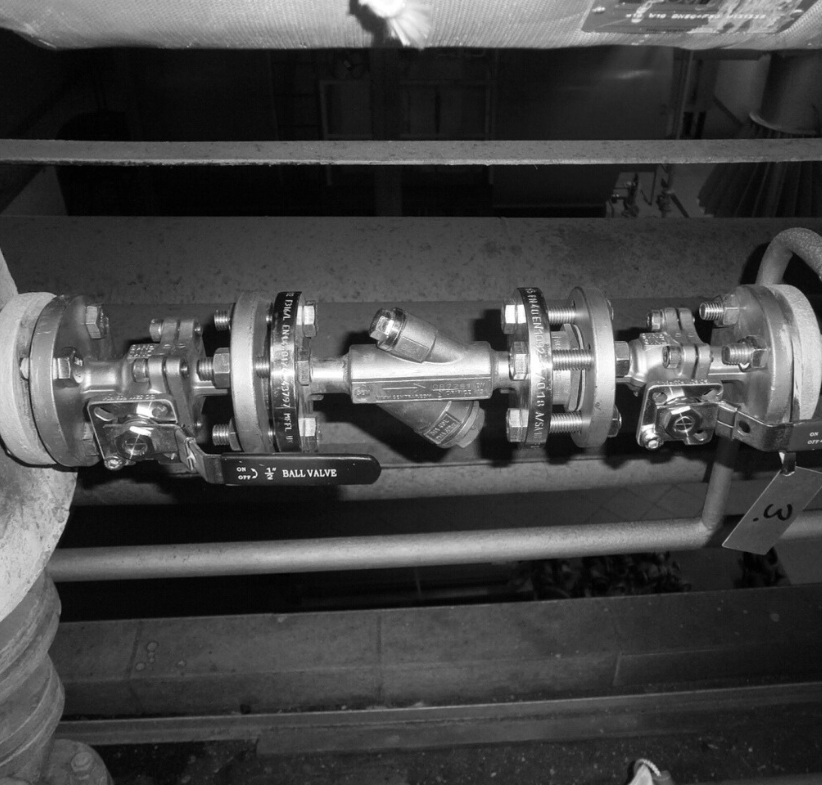
As the largest meat producer in its domestic market, this customer has made sustainability and energy efficiency central pillars of its operational strategy. With ambitious targets around carbon reduction and resource efficiency, the company has made a substantial, multi-site investment in GEM Steam Traps, reflecting confidence in the technology’s long-term performance and commercial value.
At this flagship site, the steam system operated under fluctuating loads, temperature variation, and frequent start–stop conditions.
A detailed steam trap survey confirmed that around half of the mechanical steam traps were confirmed to have failed and were either leaking steam or unsuitable for the pressures and load profiles encountered in operation. This resulted in unstable condensate discharge and continuous live-steam losses during normal production.
These failures drove ongoing, largely undetected energy losses, elevated fuel consumption, unnecessary CO₂ emissions, and increased maintenance intervention in hygiene-critical production areas.
Steam losses caused by failed mechanical traps were estimated to be equivalent to around €24,000 per year in avoidable energy costs, equating to approximately 800 tonnes of steam per year. These figures reflect direct fuel losses only and do not include the additional costs associated with increased maintenance intervention, production disruption, or make-up water treatment.
Importantly, these losses occurred continuously and remained largely invisible during normal operation, reinforcing the need for a steam trap solution capable of preventing live steam loss under variable pressure and load conditions.
Based on the survey findings, the customer implemented GEM Steam Traps across key process areas at the site, including:
Following implementation, gas consumption per tonne of finished product improved by approximately 15%, confirming that material savings were achieved independently of production volume.
Beyond quantified savings, the site benefited from reduced maintenance requirements, improved operational reliability, and long-term protection against steam losses through GEM’s maintenance-free design and performance guarantee.
If steam system instability or recurring mechanical trap failure is driving hidden energy loss, maintenance burden, or hygiene risk in meat processing operations, our team can help assess whether a GEM Steam Trap retrofit could deliver similar, sustained savings and reliability.