Hot Water and De-steaming Solutions
Improve efficiency, reduce steam demand, and take a practical step toward industrial decarbonisation.
.png)
Decarbonisation pathways vary by site, and no single approach is universally applicable. Thermal Energy International develops practical strategies that optimise existing assets, deliver immediate performance gains, and establish the infrastructure required for long-term decarbonisation, including consideration of industrial water heating options where these align with site needs.
Targeted measures can often deliver the most immediate efficiency gains, avoid the cost and disruption of full de-steaming, and establish the foundations for long-term decarbonisation, often with faster payback and lower risk than embarking on large infrastructure change in a single step.
Even with rapid growth, modern renewables are forecast to meet less than one-fifth of global heat demand by 2030 (IEA). Viable, staged projects are therefore essential to cut emissions immediately while preparing for future low-carbon technologies.
There is a significant efficiency difference between steam and hot water.
In an unoptimised gas-fired steam system, only around 60% of purchased energy reaches the point of use, with the rest lost through boilers, stacks, distribution, failed traps and flash steam losses.
Steam has traditionally been favoured because it carries energy effectively in the latent phase, with around 50 times less mass to move than hot water for the same heat load and no need for pumps. But steam systems also require specialist knowledge, ageing infrastructure is costly to maintain, and expertise is becoming harder to source.
Hot water systems demand larger pipework, pumping and careful return temperature control. Efficiency gains do not always require removing steam entirely.
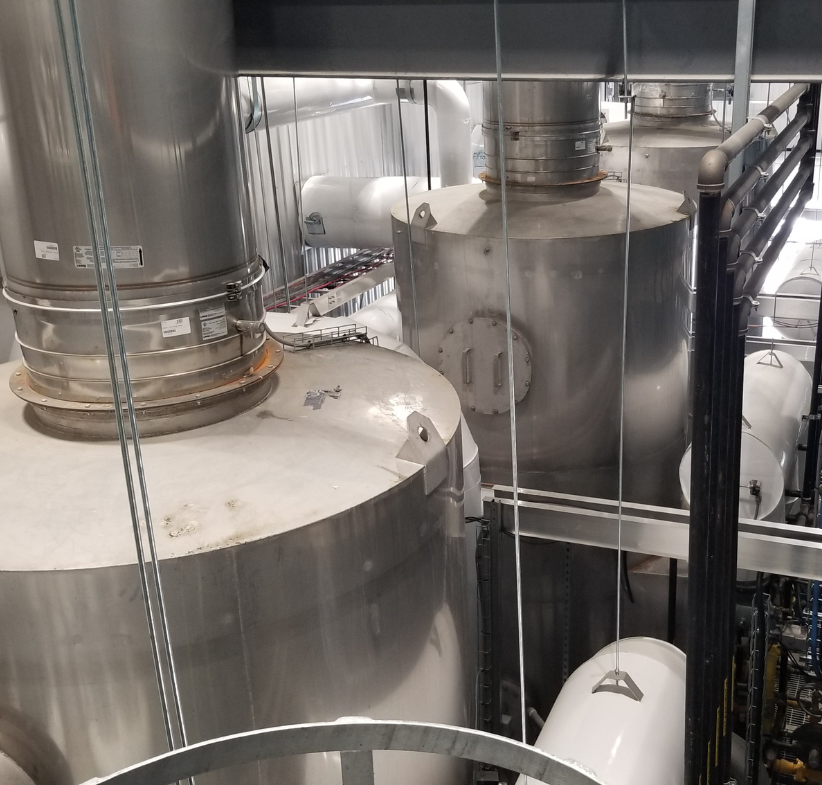
The first step is to take an efficiency-first approach; by recovering waste heat, improving boiler performance and eliminating trap losses with permanent solutions such as the GEM™ steam trap, facilities can achieve substantial efficiency gains without major disruption of a large infrastructure project immediately.
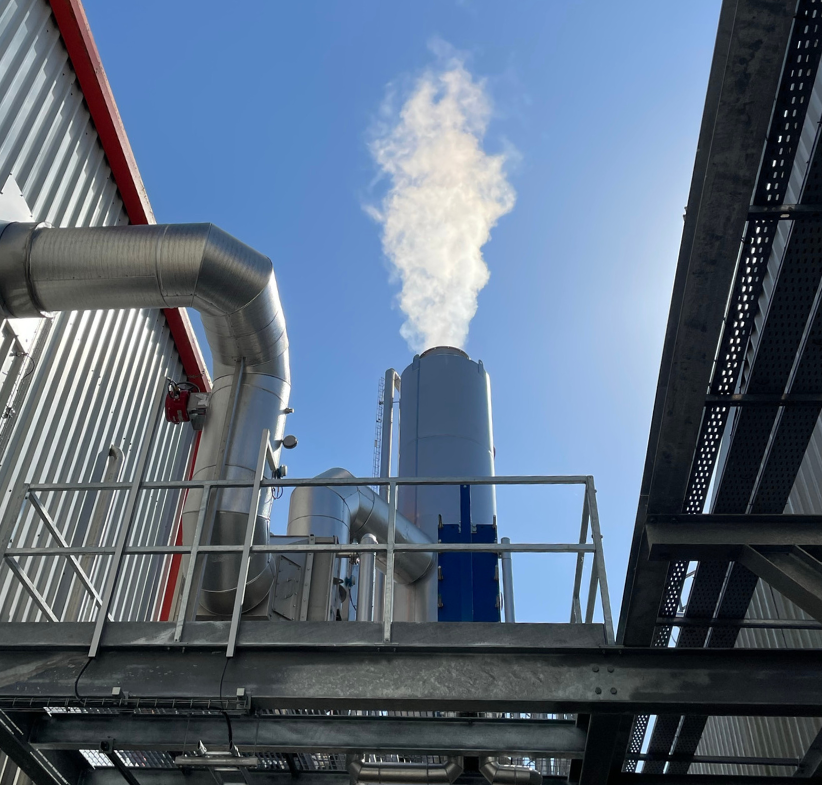
De-steaming is part of the long-term decarbonisation plan through electrification or heat pump integration.
Electrification opportunities differ widely across industry. Where process temperatures are below 120°C, hot water distribution provides the foundation for electrification. Most process loads fall within this range, making hot water distribution the natural fit with modern high-temperature heat pumps. Typical units achieve a COP of 3–4, but economics depend heavily on energy prices and infrastructure.
Heat pumps are a vital technology for industrial decarbonisation, but effectiveness depends on how they are applied.
High-temperature units now deliver up to 120°C, covering many process needs, with a COP of 3–4 depending on the heat source and operating conditions (lower for air or ground sources, higher when supplied with warmer streams). By contrast, heat recovery when comparing the ratio of parasitic electrical consumption of pumps and fans to the heat output can deliver an effective COP of 50 to 100. Capturing waste heat first reduces the lift required from heat pumps, improves their COP, and strengthens the economic case.
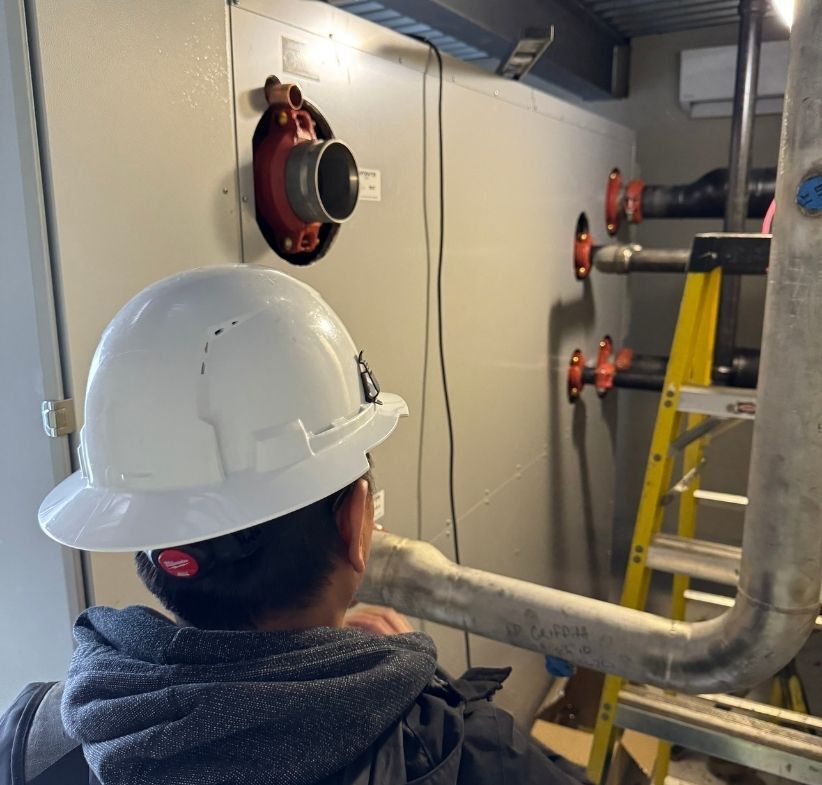
De-steaming for decarbonisation does not mean a site has to eliminate steam completely, or in one step. Recovering low-grade heat before it is lost strengthens the case for both electrification and heat pumps and makes the transition more attractive.
Often, FLU-ACE™ heat recovery projects also provide some hot water infrastructure which is rolled into a very compelling payback. This helps to offset the significant cost of future full or part de-steaming and electrification projects, and this staged approach reduces emissions immediately, avoids stranded costs, and establishes the foundation for future technologies.
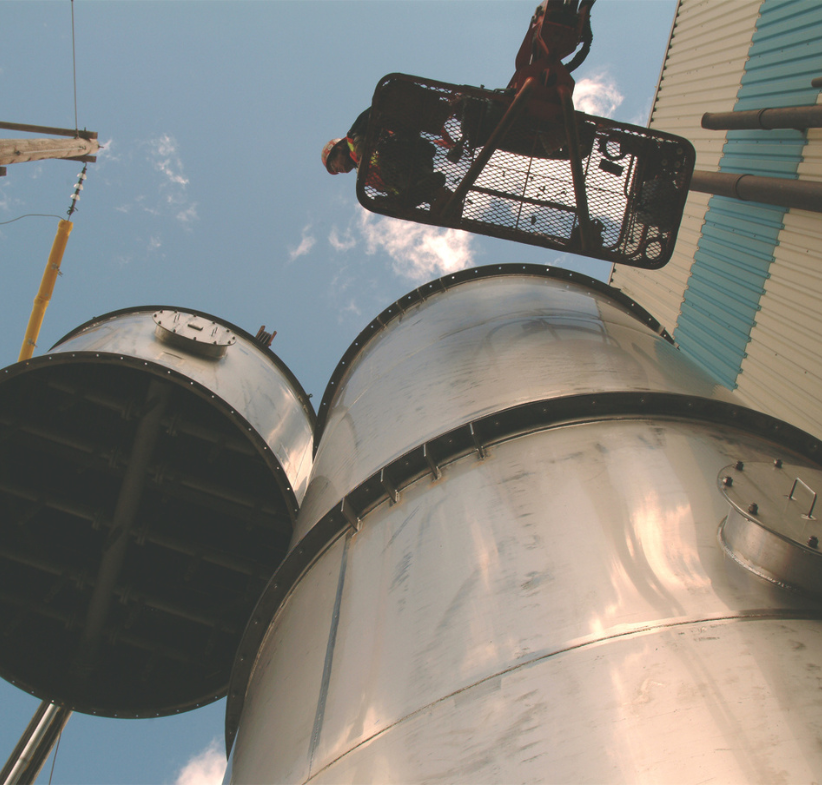
Only hot water is required on site.
For facilities that require hot water only, replacing steam with direct hot water generation becomes the most effective long-term pathway once efficiency opportunities have been addressed. Thermal Energy International provides proven technologies that deliver immediate, high-efficiency hot water on demand, including PERCO-ACE™ for the most efficient production up to 85°C and hybrid configurations that incorporate waste heat recovery.