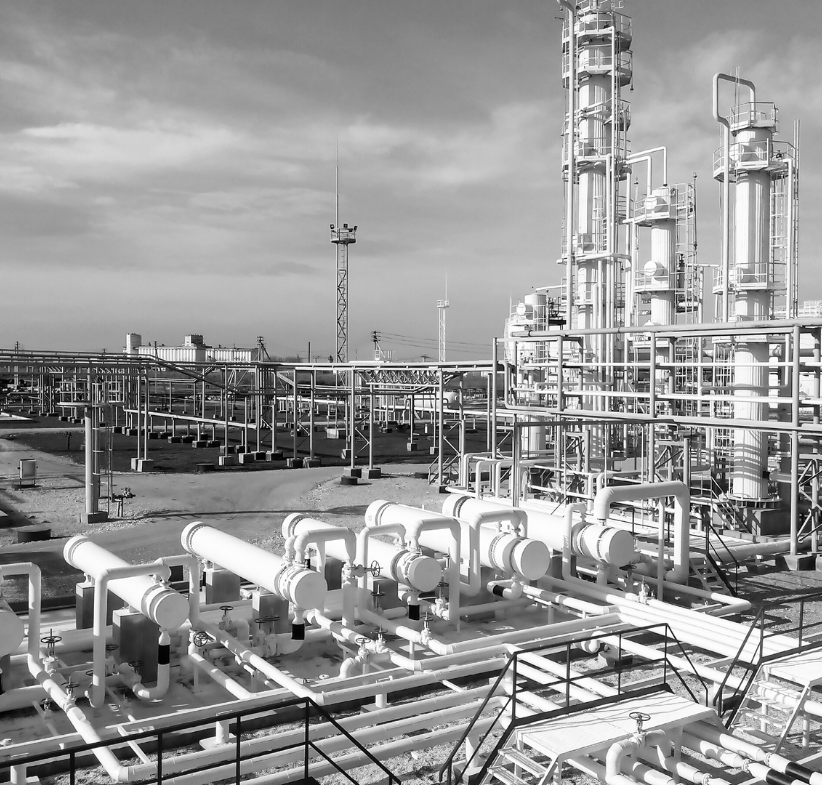
GEM™ Proven Superior to Mechanical Traps at Oil Refinery
Keeping on top of the constant challenge of repairing and replacing thousands of mechanical steam traps is no longer a problem for this facility following the successful conversion of 1,750 mechanical traps to GEM Steam Traps.
Common with many refineries, steam is used to carry energy to processes, maintain product temperatures in trace heating systems, fire suppression, motive energy for turbines and pumps, and as a reactant for cracking and reforming processes.
Steam is used throughout the oil refinery for applications ranging from trace heating systems designed to keep the product at the correct viscosity to large reboilers consuming many tonnes of steam per hour.
At this facility mechanical steam traps were failing at a rate of over 10% per annum. When Thermal Energy was first approached, failed mechanical traps had caused the HP condensate return pressure to rise to 175 psig, preventing the 150 psig steam branch from being able to discharge.
During an unplanned shutdown, the refinery was able to run on just two boilers, which prior to the installation of the GEM Traps, would have resulted in a loss of steam pressure to the refinery’s extremities as well as production upsets.
With the Energy Information Administration stating that energy accounts for 43% of typical refineries operating costs, eliminating steam losses through failed traps can also offer attractive return on investment and competitive advantage.