Solution: Using Boiler Waste Heat as a Higher-Value Heat Pump Source
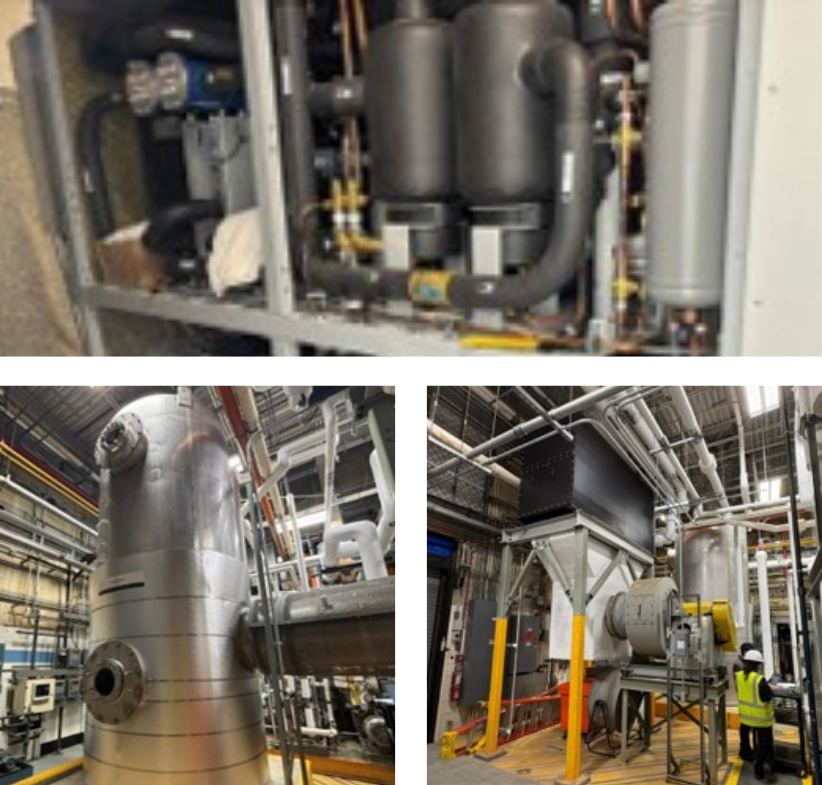
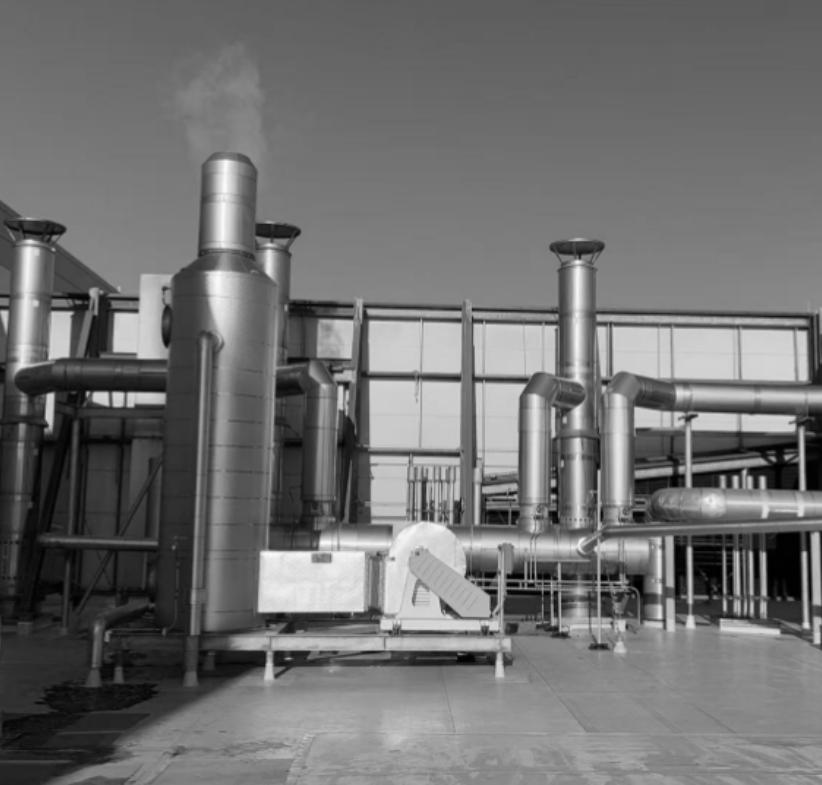
Thermal Energy International developed an expansion and upgrade of the existing heat recovery system, combining its proprietary FLU-ACE direct-contact condensing heat recovery and HeatSponge indirect-contact economizer technologies with heat pump integration. The system was engineered as a staged thermal recovery strategy: capturing sensible heat, recovering latent heat, using that recovered energy as a higher-quality heat pump source, and delivering useful higher-temperature heat into existing and future-relevant hot water loads.
The upgraded system recovered heat from three boiler exhaust streams and the deaerator vent. That recovered energy was then applied across multiple heat users, including boiler feedwater, boiler make-up water, USP make-up water, domestic hot water, radiator water, booster water, and the heating hot water loop.
-
HeatSponge provided the first stage of recovery, using boiler exhaust gases to preheat boiler feedwater before it returned to the boilers. This captured sensible heat from the flue gas stream and reduced the fuel required to raise feedwater to steam-generating conditions.
-
FLU-ACE provided the condensing recovery stage, cooling the boiler exhaust below its dew point to recover latent heat that would otherwise be lost through the stack. This heat was transferred into a warm water circuit, creating a higher-value thermal source for heat pump integration. 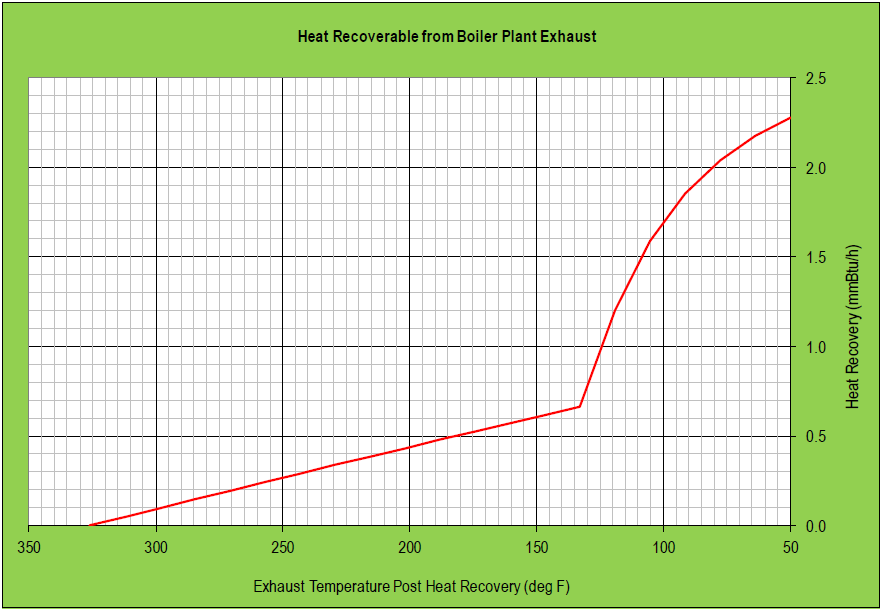
-
The heat pump then upgraded the recovered boiler plant waste heat to a temperature suitable for the site’s heating hot water infrastructure. This was the critical integration point: the heating hot water loop required higher temperatures than heat recovery alone could deliver, so the heat pump used recovered thermal energy already available within the boiler plant rather than relying on more common lower-grade sources such as cooling water, ground source, or air source heat. This improved effective system COP and enabled carbon reduction at a lower operating cost than a conventional standalone heat pump approach.
The integration required careful heat pump sizing for variable site loads, controls and automation integration with existing utility systems, and configuration of the recovered heat circuit to support useful heating temperatures above 190°F.