Heat Recovery Raises Heat Pump Performance to COP 7

By using recovered boiler plant waste heat as the heat pump source, this solution delivers higher-temperature heat at an effective COP of 7, compared with the typical COP 3–5 range for standalone heat pump applications.

Pill icon
Industry

Pharmaceuticals

Location icon
Location

USA

gear icon
Integrated Solution

HeatSponge™ + FLU-ACE™ + Heat Pump

PH05 Leading Pharmaceutical Manufacturer

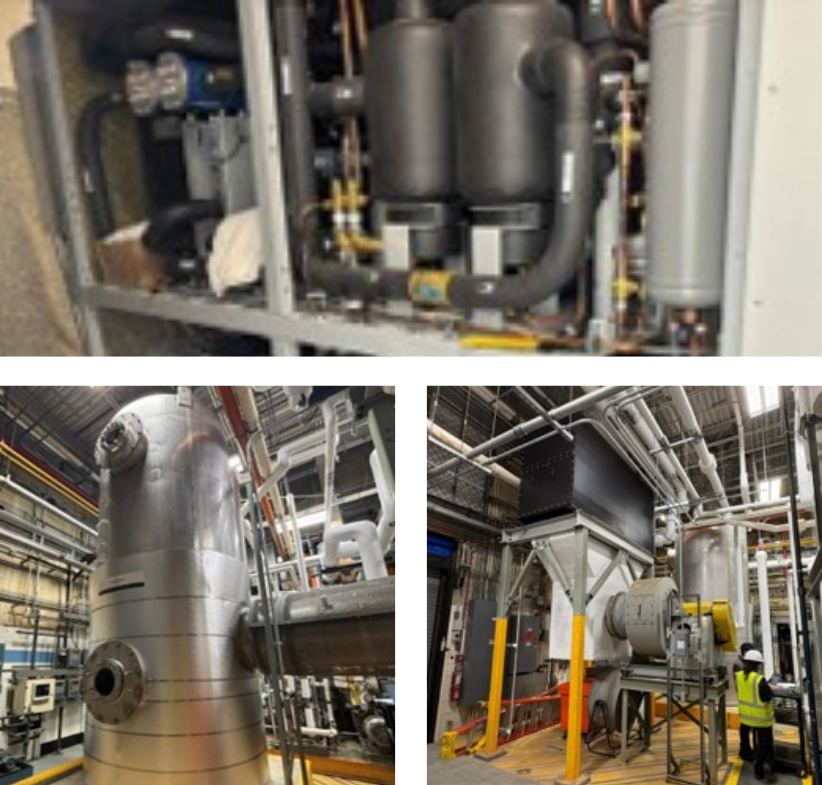
At this North American pharmaceutical manufacturing site, Thermal Energy International expanded an existing boiler plant heat recovery system into an integrated heat recovery and heat pump solution.

The project uses recovered boiler plant waste heat as the heat pump source, enabling useful higher-temperature heat at an effective COP of 7 compared with the typical COP 3–5 range for standalone heat pump applications. By improving the economics of electrified heat, the system reduces fossil fuel demand while supporting the customer’s longer-term decarbonization pathway.

The project is expected to deliver approximately $299,700 USD in annual operational savings, reduce fuel consumption by approximately 15,000 MMBtu per year, and lower annual emissions by approximately 759 tonnes CO₂e.

Challenge: More Than a Short-Term Efficiency Measure 

The project needed to support near-term 2030 carbon reduction goals, while the customer’s longer-term strategy pointed toward wider heat pump electrification by 2050. That raised an important question: would a boiler heat recovery project still hold value as the site moved away from fossil-fueled heat?

The site already had a functioning heat recovery system, but it was not delivering its full decarbonization potential. Several original components also required replacement or reconfiguration, creating an opportunity to reassess the system as more than a conventional boiler efficiency asset.

Following a performance review, Thermal Energy International identified that approximately 50% additional system capacity was available for other heat users. That finding changed the investment case:  the existing heat recovery system could be expanded from a boiler efficiency asset into a practical decarbonization platform, reducing fuel use immediately while remaining relevant to the site’s longer-term electrification pathway. 

Solution: Using Boiler Waste Heat as a Higher-Value Heat Pump Source

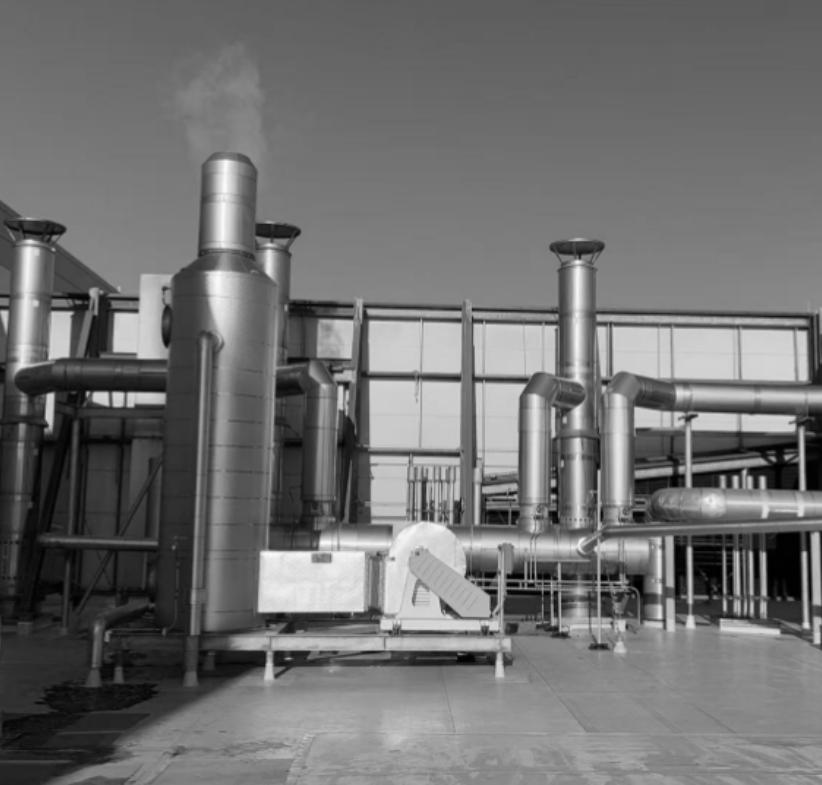
Thermal Energy International developed an expansion and upgrade of the existing heat recovery system, combining its proprietary FLU-ACE direct-contact condensing heat recovery and HeatSponge indirect-contact economizer technologies with heat pump integration. The system was engineered as a staged thermal recovery strategy: capturing sensible heat, recovering latent heat, using that recovered energy as a higher-quality heat pump source, and delivering useful higher-temperature heat into existing and future-relevant hot water loads. 

The upgraded system recovered heat from three boiler exhaust streams and the deaerator vent. That recovered energy was then applied across multiple heat users, including boiler feedwater, boiler make-up water, USP make-up water, domestic hot water, radiator water, booster water, and the heating hot water loop. 

  • HeatSponge provided the first stage of recovery, using boiler exhaust gases to preheat boiler feedwater before it returned to the boilers. This captured sensible heat from the flue gas stream and reduced the fuel required to raise feedwater to steam-generating conditions.

  • FLU-ACE provided the condensing recovery stage, cooling the boiler exhaust below its dew point to recover latent heat that would otherwise be lost through the stack. This heat was transferred into a warm water circuit,  creating a higher-value thermal source for heat pump integration.
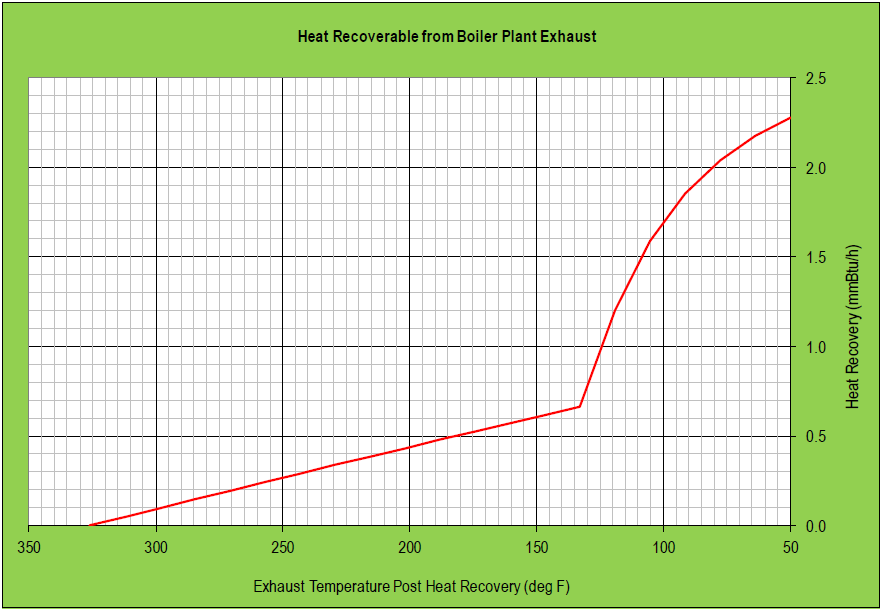
  • The heat pump then upgraded the recovered boiler plant waste heat to a temperature suitable for the site’s heating hot water infrastructure. This was the critical integration point: the heating hot water loop required higher temperatures than heat recovery alone could deliver, so the heat pump used recovered thermal energy already available within the boiler plant rather than relying on more common lower-grade sources such as cooling water, ground source, or air source heat. This improved effective system COP and enabled carbon reduction at a lower operating cost than a conventional standalone heat pump approach.

The integration required careful heat pump sizing for variable site loads, controls and automation integration with existing utility systems, and configuration of the recovered heat circuit to support useful heating temperatures above 190°F.


Results: Measured Carbon Reduction Without Stranding Future Investment 

The project is expected to reduce site fuel consumption by approximately 11%, with the annual savings and emissions reductions outlined above providing the near-term business case for the upgrade. 

For a regulated pharmaceutical manufacturing environment, the implementation approach was also critical. Key tie-ins were completed during planned boiler shutdown windows, avoiding the need for a dedicated production pause and reducing risk to site operations.

The project also strengthened the investment case for longer-term decarbonisation. A significant portion of the upgrade supported low-temperature hot water distribution and integration infrastructure that will remain useful for future heat pump conversion, allowing the site to reduce fuel use and emissions now while building assets that support the next stage of electrification.

A Repeatable Decarbonization Model

This project builds on a previous North American FLU-ACE installation for the same customer, reinforcing the value of a repeatable technical model across regulated pharmaceutical operations.

Together, these projects show how heat recovery and heat pump integration can support corporate decarbonization beyond a single site. For pharmaceutical manufacturers with central boiler plants, year-round hot water demand, regulated operations, and long-term carbon reduction targets, the project demonstrates a practical staged approach: reduce fossil fuel demand now, improve the economics of electrified heat, and prepare existing infrastructure for deeper decarbonisation over time. 

PH04 Global Pharmaceutical Company

Speak to our team

Pharmaceutical manufacturers are already achieving significant energy savings and emissions reductions through proven heat recovery solutions deployed in live, regulated environments. Speak with our team to understand how similar opportunities could be identified and delivered at your site.

Get in touch