Full Venturi Steam Trap Technology
Removing the primary causes of failure in mechanical steam traps while delivering inherently higher energy efficiency and long-term reliability.
%20(2).png)
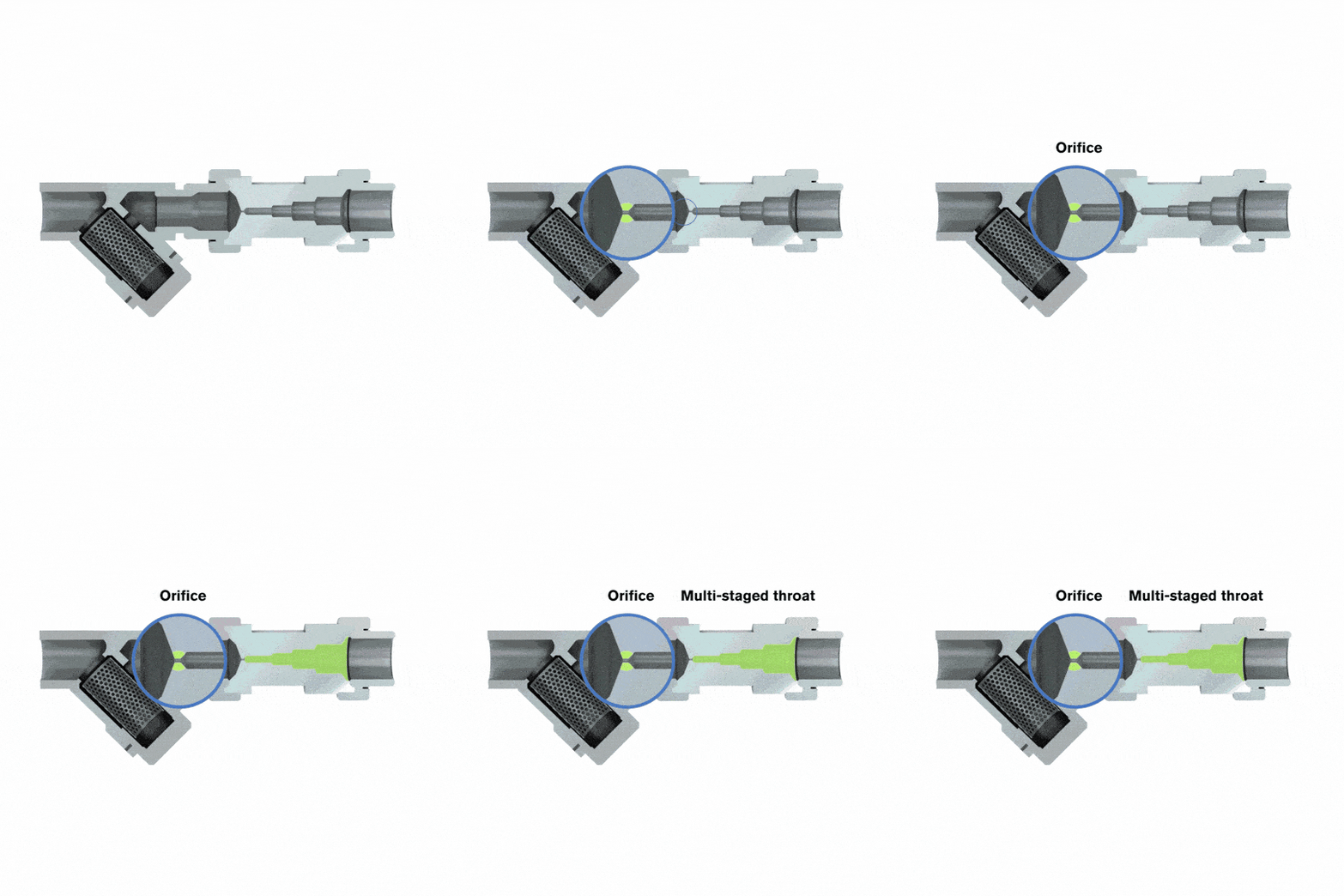
GEM™ Steam Traps operate by utilising a multistage venturi throat that continuously discharges condensate as it is formed.
Unlike mechanical traps, GEM Traps do not rely on an open/close cycle. Condensate flows continuously through the configured venturi throat, maintaining a protective condensate seal that prevents live steam loss while avoiding condensate backup.
GEM Steam Traps represent the culmination of more than a century of steam trap development, refined through decades of our own innovation to meet the demands of modern industry.
.png?width=1000&height=400&name=top%20of%20chevron%20steam%20trap%20evolution%20(5).png)
Mechanical steam traps use moving parts to open and close an orifice, regulating the discharge of condensate.
Major designs have existed for more than a century and include float, thermostatic, inverted bucket, and thermodynamic traps.
In practice, mechanical traps typically fail at rates of 10–15% per year, resulting in steam losses, increased maintenance, and frequent replacement.
The reliance on moving parts inevitably leads to wear.
.png?width=1000&height=400&name=top%20of%20chevron%20steam%20trap%20evolution%20(4).png)
In the 1960s the US Navy introduced the orifice plate steam trap as a static alternative with no moving parts.
The concept was simple: an orifice sized to exactly match a fixed differential pressure and condensate flow rate. This design significantly improved reliability.
The fixed orifice limited its ability to cope with variations in condensate load, pressure changes, or the transient conditions associated with system start-up and shutdown.
As a result, their application in wider industry remained limited.
.png?width=1000&height=400&name=top%20of%20chevron%20steam%20trap%20evolution%20(2).png)
.png?width=1000&height=400&name=top%20of%20chevron%20steam%20trap%20evolution%20(3).png)
Full venturi steam traps represent the latest stage in this evolution.
The full venturi design delivers the ultimate reliability of no moving parts while achieving energy savings through accurate application-specific sizing.
Manufactured from a single piece of stainless steel, the design incorporates an extended venturi throat engineered to maintain stable condensate discharge across a wide operating range. With no moving parts and no interchangeable inserts, each trap can be accurately calibrated to the application.
This approach provides full traceability between the trap and the operating conditions used to size it.
Unlike mechanical steam traps that discharge condensate by opening and closing, the GEM trap has no moving parts.
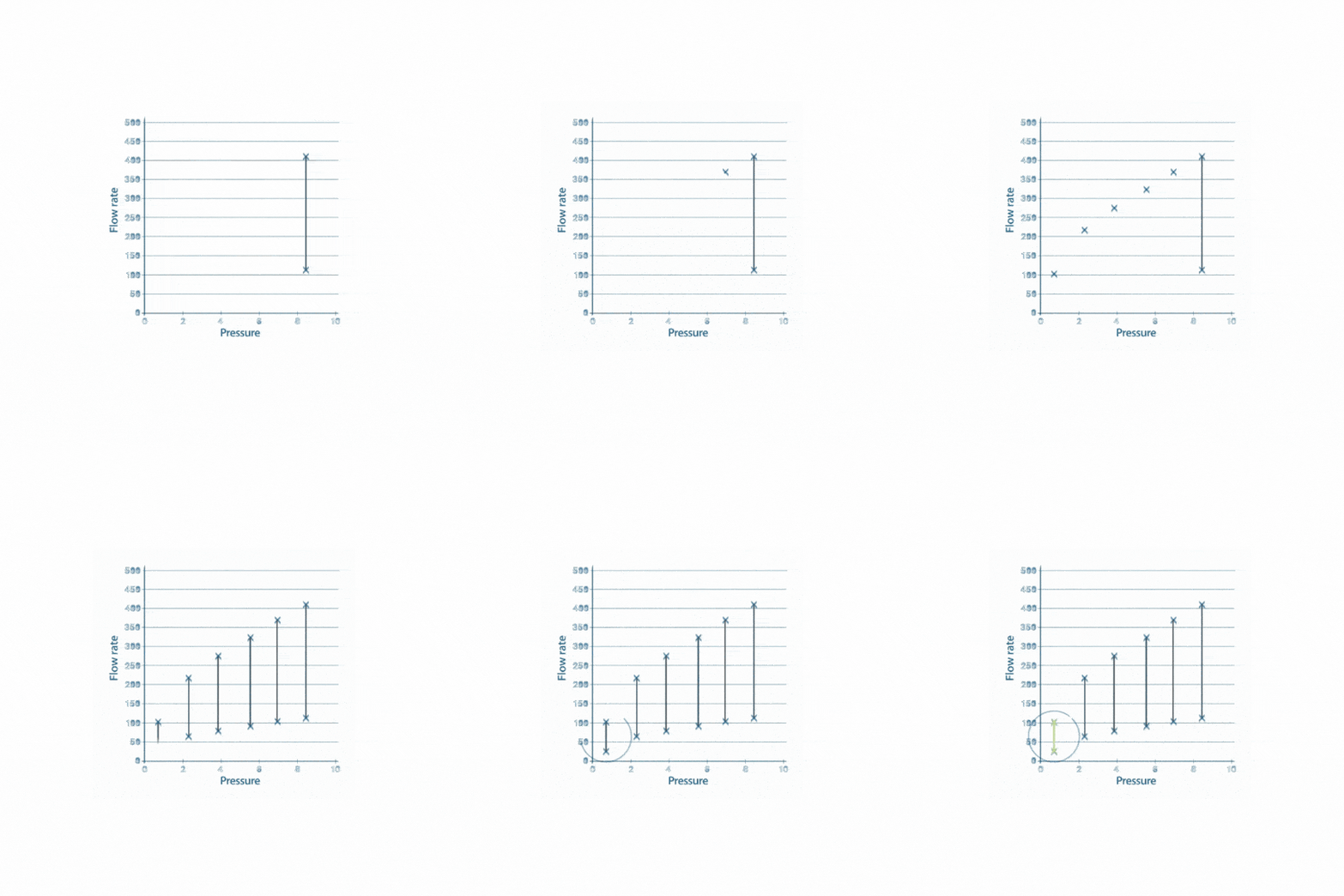
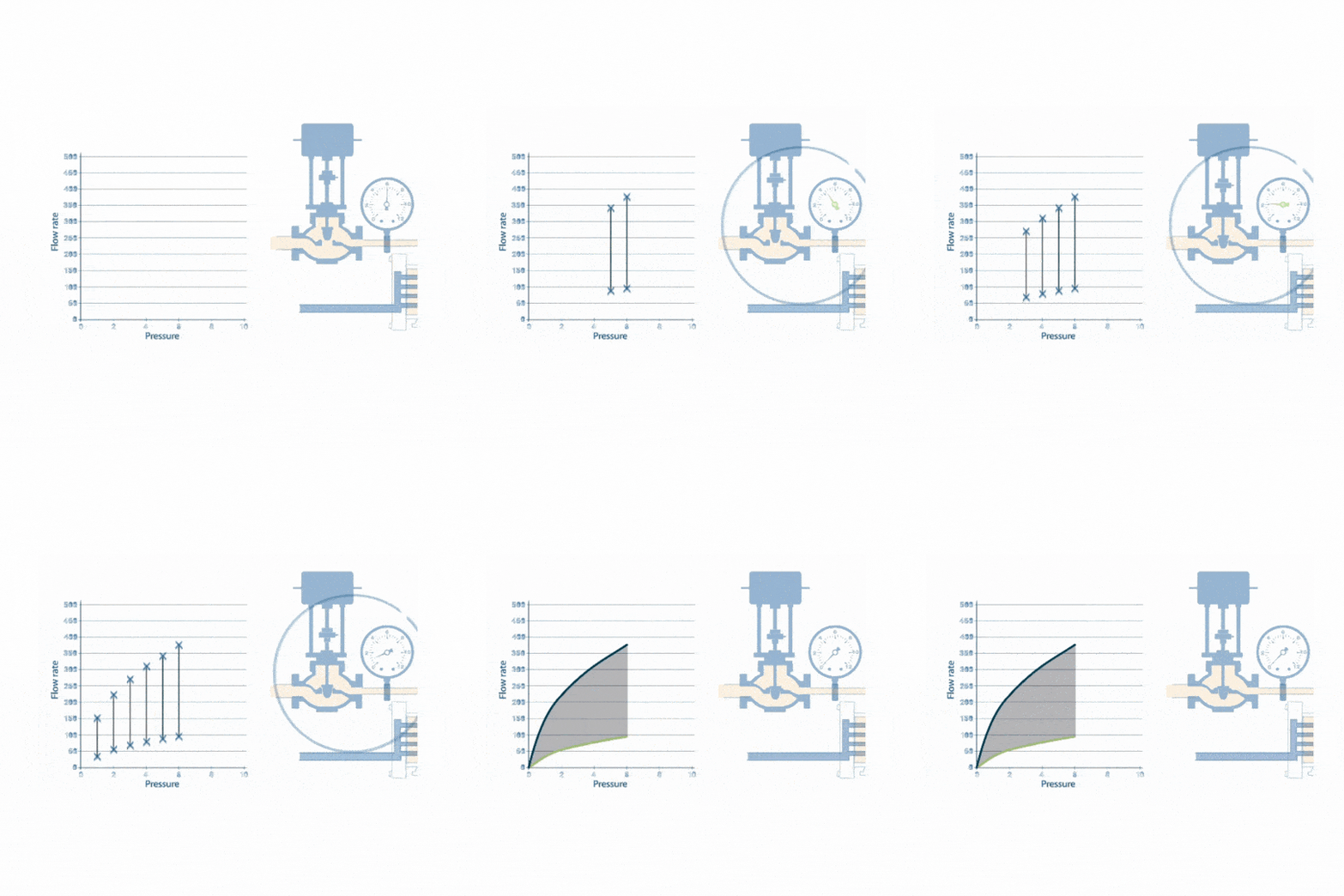
Flow through the orifice is determined by its size and the difference in pressure across it.
The GEM Trap regulates its capacity by creating a variable back pressure in the multistaged throat that matches the condensate drainage needs of the application.
The performance of a GEM Trap depends on correct sizing to the load profile of the application. Oversizing a GEM Trap as a precaution leads to continuous steam loss across the steam system, reducing achievable fuel and carbon savings.
GEM™ Steam Traps are therefore supplied with a complete sizing service. We take full responsibility for sizing, manufacture and commissioning, with free replacement if recalibration is required to optimise the trap. This engineered approach ensures reliable performance and sustained energy savings for decades.
The GEM Trap's unique three stage filtration system is employed on smaller orifice traps required for line drainage, trace heating and other low capacity steam trap applications, reducing the risk of plugging.
It combines a reinforced stainless steel mesh strainer, magnetic filtration and an inverted cone deflector to manage mineral scale, corrosion by-products, weld slag and particulate matter.
This configuration protects the orifice, maintains condensate discharge capacity and ensures consistent steam system performance under demanding industrial conditions.


The GEM Trap has no moving parts and has been designed to minimise maintenance, and where possible remove or reduce downtime associated with steam trap monitoring and maintenance, repair and replacement.
All low duty GEM Traps have a multistage filtration process. Yet, to further ensure they remain plug free and quick and simple to service, many of the GEM Trap models can be maintained in-line and even online. These servicing tools available with, or integrated into the trap, significantly reduce maintenance time compared with conventional traps. The result is continuous, stable performance without moving parts, adjustments, or degradation over time.
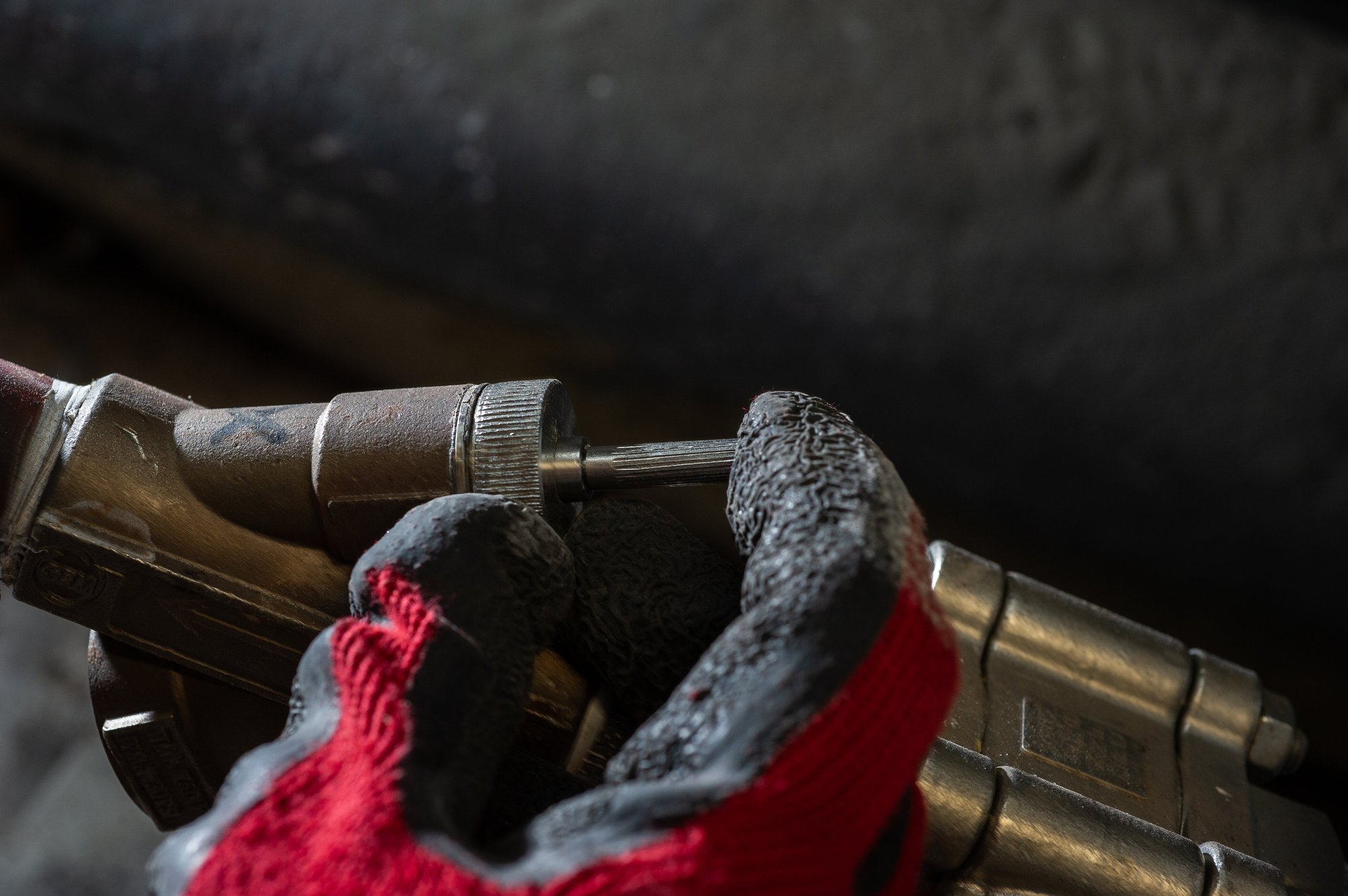
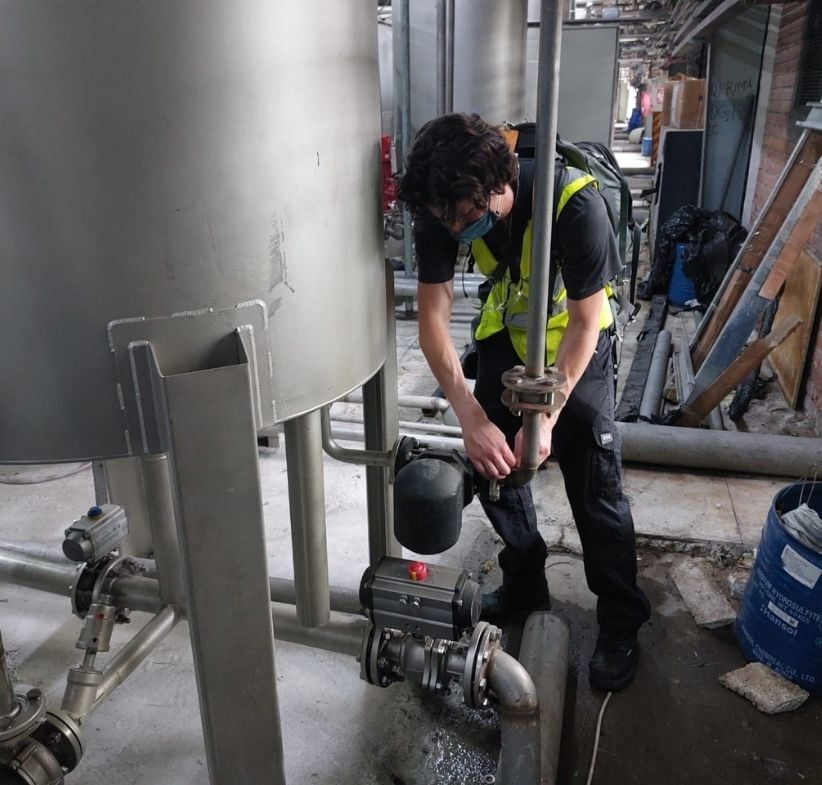
Routine maintenance can be carried out while traps remain installed. The reinforced mesh strainer and patented magnetic cap can be inspected and cleaned quickly, keeping the trap in service without breaking the line.
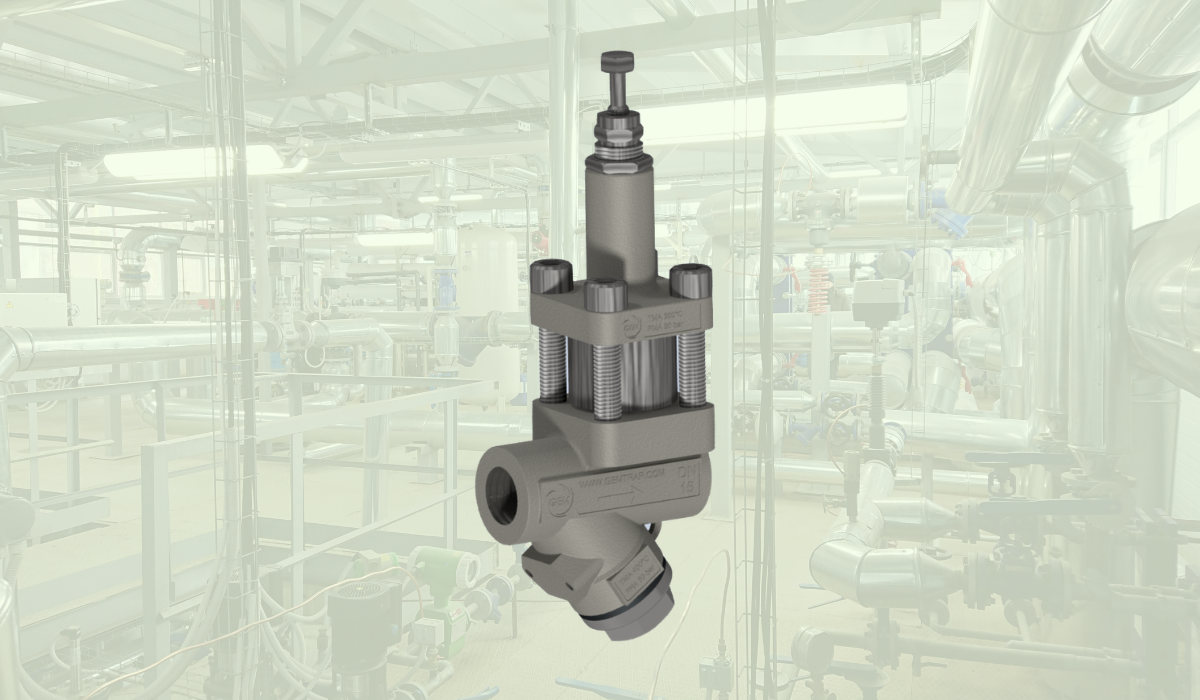
Our Onyx range of traps allow servicing to be conducted in a matter of seconds while the system is live. This prevents unnecessary shutdowns, avoids process interruptions and keeps production on schedule.
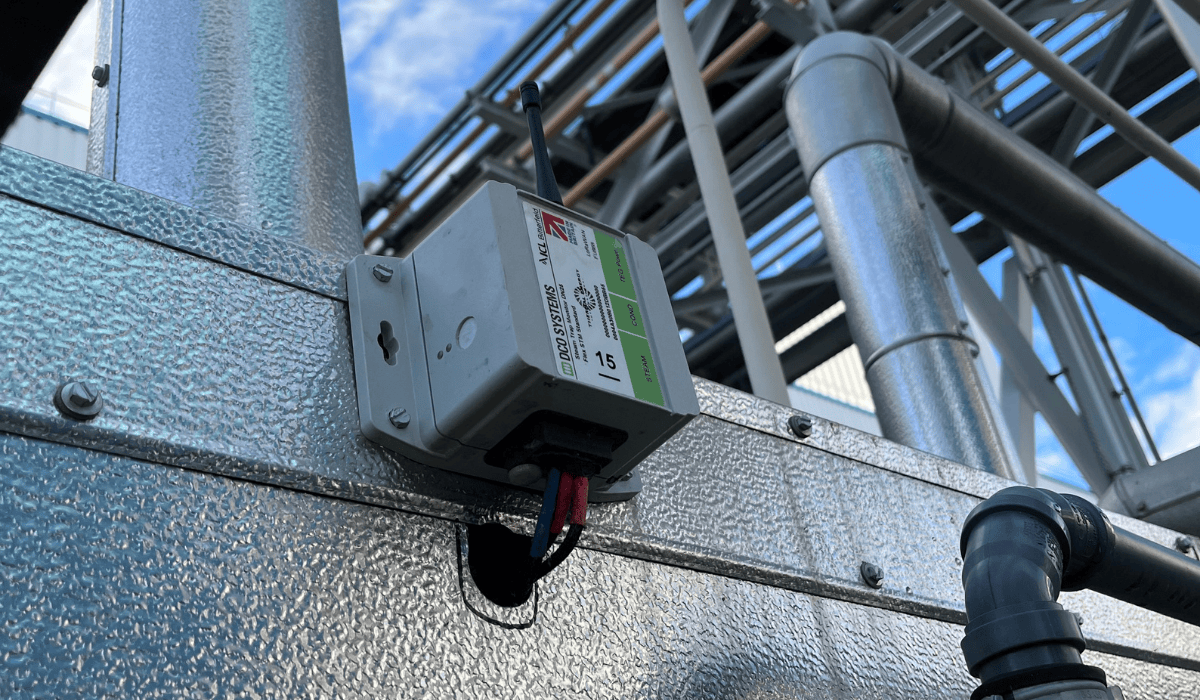
For facilities with large populations of traps or critical processes, remote monitoring provides continuous oversight. Data-driven monitoring identifies changes in performance early, while service agreements ensure maintenance resources are deployed where they add the most value.
.gif?width=540&height=540&name=ezgif.com-optimize%20(1).gif)
.gif)