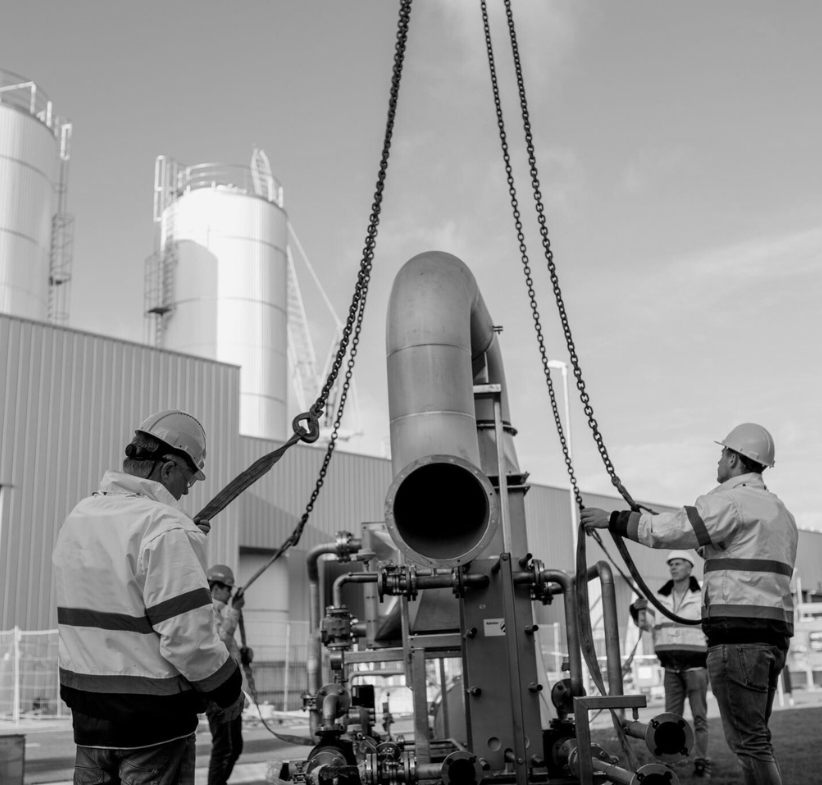
This facility uses drying processes to produce specialised infant nutrition. Drying is an energy-intensive process, with spray drying and concentration accounting for 25% of energy use in the dairy industry. Typically, 60% to 80% of this energy is available in exhaust gases, providing significant opportunities for heat recovery. The facility is now exploring the replication of this technology at additional sites globally.
The Chief Operations Officer said:
Thanks to our partnership with Thermal Energy International, and the global and local teams working together to continue to reduce the environmental impact of our supply chain
This project builds on the success of a previous pilot installation of Thermal Energy’s FLU-ACE technology at another site in Europe, where energy consumption was reduced by 12%. The same technology was then replicated at this site to recover waste heat from the spray dryer burner exhaust and use it to preheat incoming air, reducing the load on existing heaters.
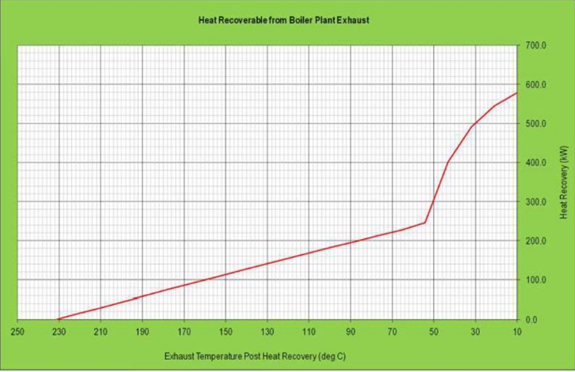
As a result, the system;
- Will recover up to 600 kW from the burner exhaust, with flue gas temperature of 230°C.
- Indirect contact exchanger loop will produce 7 m³/hr of hot water at 81°C from 61°C. This will displace 163 kW of heating to boost 27 m³/hr of recuperation water from 60°C to 65°C.
- FLU-ACE recovery loop will produce, on average, 7.7 m³/hr of hot water at 57°C. This will be used to preheat incoming air to the dryer to a maximum of 30°C. This will displace 323 kW of energy, which will vary throughout the year with ambient temperature.
The company said,
This unlocks the potential of the plant to reduce its energy consumption by a further 7%.” They went on to explain how the project is part of their energy efficiency and decarbonisation programme, which will enable the company to “improve energy efficiency by 30% by 2025 and reduce CO2 emissions in line with evidence-based climate goals.
The Net Zero Carbon Director remarked on the “significant energy reduction” achieved through heat recovery and praised the efforts of teams in specialised nutrition.