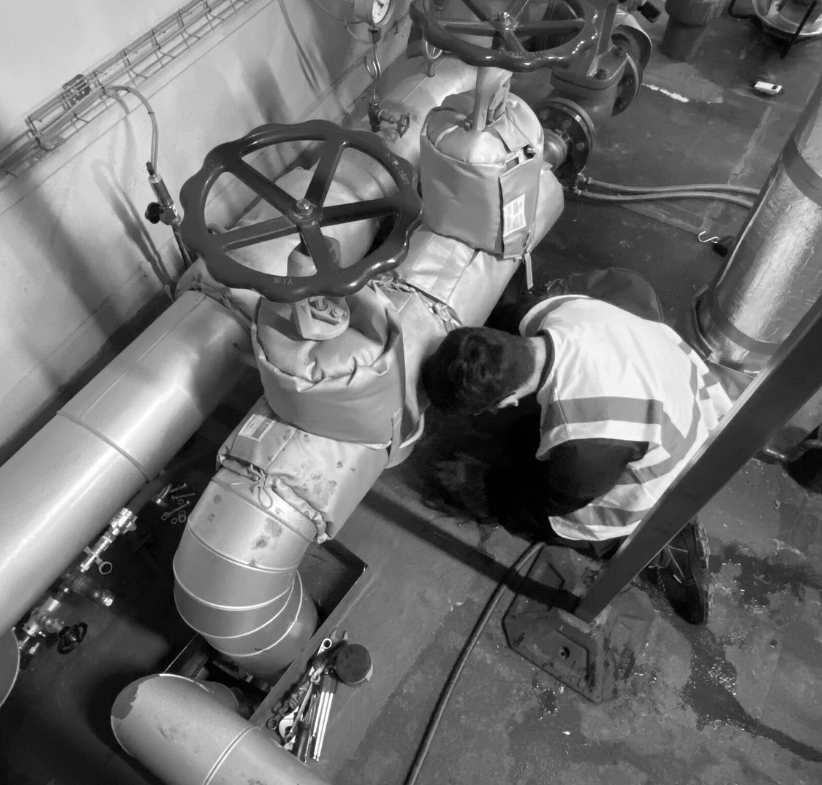
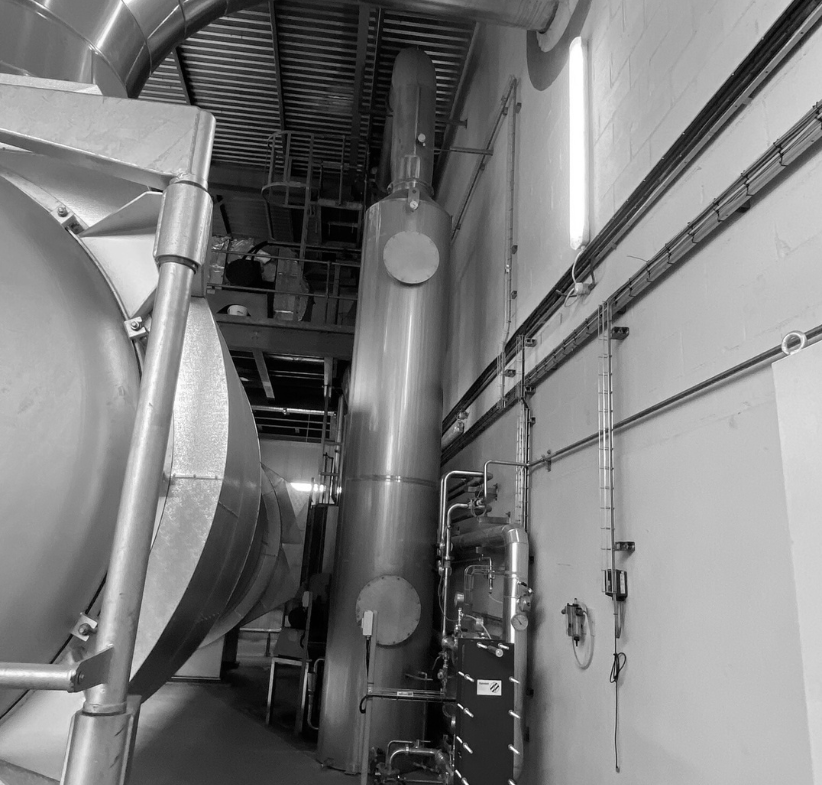
As part of the customer’s ongoing transition to GEM™ Steam Traps, Thermal Energy International conducted a comprehensive steam trap survey, tracing the entire steam system from the boiler house to end-use points.
The survey confirmed that 53% of the site’s steam traps had already been converted to GEM technology, with many having operated reliably and continuously for over a decade. In contrast, the remaining mechanical steam traps exhibited a failure rate of 26% – highlighting a significant opportunity to enhance performance and reliability through a complete GEM retrofit.
The survey also identified evidence of water hammer in a CIP area associated with a spray dryer, which was traced to condensate overflow. Elsewhere on site, several drainage points were found to be relying on blowdown valves rather than steam traps – a practice that increases safety risks and heightens the potential for condensate-induced water hammer.
Additional trap locations were also identified, enabling the customer to improve system reliability, reduce safety risks, and proactively plan future upgrades.
As reliable condensate removal supports consistent process temperatures and uninterrupted production – particularly in steam-intensive operations such as drying and CIP – these findings highlight the critical importance of effective condensate management and the role of dependable steam trap technology in maintaining safe and efficient operation.
As a result, GEM Steam Traps have been selected to replace the remaining mechanical traps in key areas, including the boiler house, steam supply to the GOS plant, and the fermentation process. These installations are expected to further reduce steam losses, support stable process temperatures, and maintain uptime in steam-critical applications such as drying and CIP.
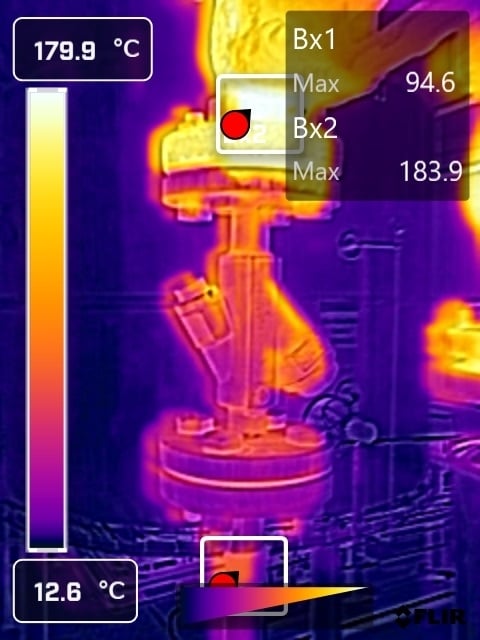
The image shows a 10-year-old Opal GEM Steam Trap operating efficiently on a 10-bar steam line.