Regional Teaching Hospital Trust
Upgrading steam traps and installing heat recovery across three hospital sites delivered over £1.5 million in cumulative savings, reduced fuel consumption, and cut more than 650 tonnes of CO₂ annually.
Hospitals
UK
GEM™ & FLU-ACE™

With over 750 inpatient beds and more than 4,500 members of staff, the three main sites of the Hospital Trust, have a 24-hour energy requirement.
Given the high demand for Heating and Domestic Hot Water (DWH), maximising fuel economies is vital. Furthermore, with the UK Government’s target of a 34% carbon reduction across hospital estates by 2020 a key consideration, the Energy Environmental Manager at the Trust, needed to urgently identify energy savings within existing systems.
The Trust enlisted the expertise of Thermal Energy International, the energy reduction solutions provider, who they tasked with improving the hospitals' fuel efficiency.
Locations included in the assessment were; the steam-driven sites of an infirmary, and a hospital, and an infirmary which uses low-pressure hot water boilers.
Thermal Energy’s Healthcare Account Manager, who ran the project, commented:
In an un-optimised heating or hot water system, just 55% of fuel input results in useful heat output. Of the energy wasted, up to 20% is due to stack losses, with a further 10% the result of inefficient steam traps. Both of these are easily preventable and if the right technology is implemented correctly it can result in an efficiency improvement of over 30%.

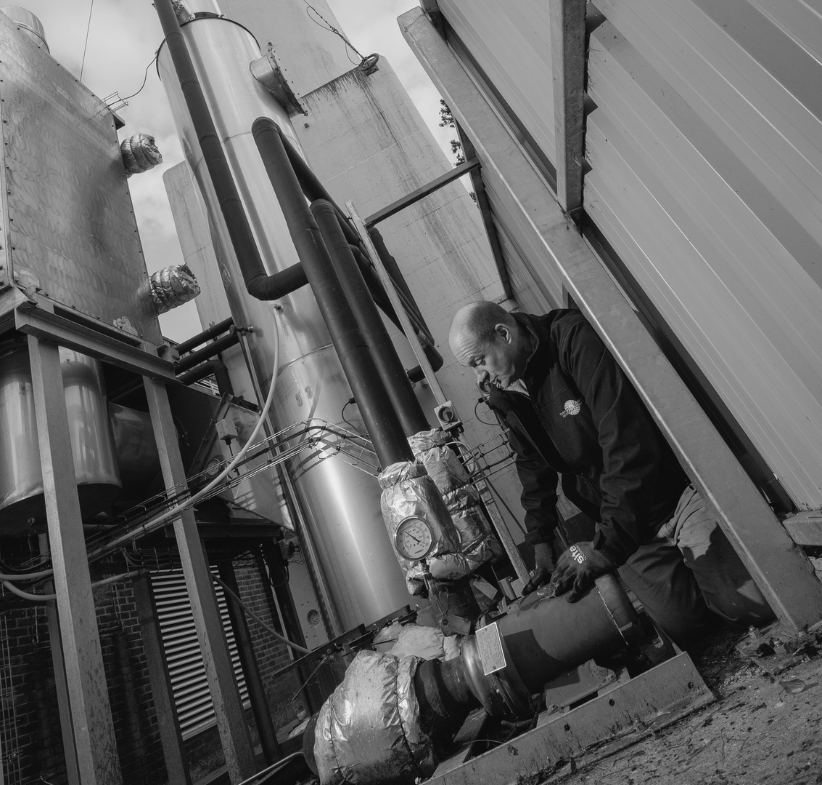
Following in-depth surveys of the facilities, Thermal Energy recommended replacing the Trust’s 260 mechanical steam traps with the highly efficient GEM™ Trap technology.
GEM™ Traps use an orifice and multi-staged throat design to manage variable condensate flow rates. Each trap is calibrated based on the individual application and with no parts to break or wear, GEM™ Traps cannot fail open. This eliminates the major problem of live steam loss associated with failed mechanical traps – saving energy and money as well as reducing a facilities carbon footprint. This results in a lower fuel usage while maintaining vital heat processes on site.
GEM™ Traps have been specially developed to be easily serviceable and come with a 10-year performance guarantee. This minimises the time and resources required to monitor and maintain a system, which helps to lessen the site’s deferred or backlog maintenance bill.
The manager commented:
We calculated that, over the course of 10 years, the savings we’d make from no longer needing to buy and replace failed mechanical steam traps would more than cover the cost of the GEM™ project, even without taking into account the energy savings.
The GEM™ approach resulted in a total fuel and maintenance saving of over £85,500 annually. Across the projects in the hospital and infirmary, the average payback period was just two years. Crucially, the initiative allowed the Trust to save over 650 tonnes of CO₂ each year. This is the equivalent of removing 57 cars from the road every year.
Following the positive results of the GEM™ Trap project, Thermal Energy identified that, by installing the direct-contact heat recovery system, FLU-ACE, further efficiency improvements could be made. The manager was initially sceptical, having previously invested in an unsuccessful heat recovery project with another provider. He comments:
Now we’ve found the right partner, I’ve completely changed my view on heat recovery. The first Thermal Energy heat recovery installation at the infirmary surpassed our expectations on savings, performance and quality. As soon as we had enough data, I put forward a proposal for an additional two installations at the hospital and second infirmary. Recent data from June 2018 shows that, across the three sites and since installation in August 2015, the Heat Recovery Units have saved us in total over £880,000. That’s 34% more than our original target for the projects. What's more, despite gas prices increasing and a record breaking cold-snap hitting the UK in April of 2018, I’ve been able to maintain and even reduce our fuel use.
As with any hospital site, reviewing heating and hot water processes is a huge undertaking. It requires careful planning so the running of the hospital and the quality of care is not disrupted.
The manager summarises the project:
The Thermal Energy team worked with each site to organise effective scheduled shutdowns. My role encompasses many duties across several sites so the engineers needed to be autonomous. The technical team from Thermal Energy were very flexible and capable. Once they had been introduced to the site, I was comfortable they would be able to complete the project without additional time investment from me. This allowed me to focus on my other duties and minimise impact on the wider organisation.
Originally, the Trust was looking to fund the project with the Carbon Energy Fund (CEF). However, due to the delay this would cause Thermal Energy suggested an alternative solution.
The manager commented;
Thermal Energy’s Healthcare Account Manager, suggested Salix as a means of funding the projects. He worked with us to collate the correct information and helped draft the initial proposal, business case and compliance documents. Without Salix funding and TEI’s guidance I would have sought internal budgets. This would have slowed the project's progress and delayed the benefits and savings the hospitals have now achieved.
Since the original steam trap project was rolled out in 2010 to the latest Heat Recovery data from 2018, the Trust has saved a total of over £1.5 million across the three sites.
If you are reviewing energy performance across hospital or healthcare estates, our engineers can assess your steam and boiler systems, identify avoidable losses and build a clear, validated plan to reduce fuel use, operating costs and carbon emissions.