A DECADE OF OPERATION

Industrial Yeast Manufacturer

By improving steam-system efficiency and extending heat recovery from the facility’s 4.4 MWe CHP system, GEM™ Steam Traps and FLU-ACE™ reduced annual steam consumption by approximately 3,400 tonnes and natural gas use by 20%, with both technologies continuing to operate reliably a decade after commissioning.

organic
Industry

Ingredients & Specialty Processing

Location
Location

Italy

Solution
Solution

GEM™ Steam Traps & FLU-ACE™

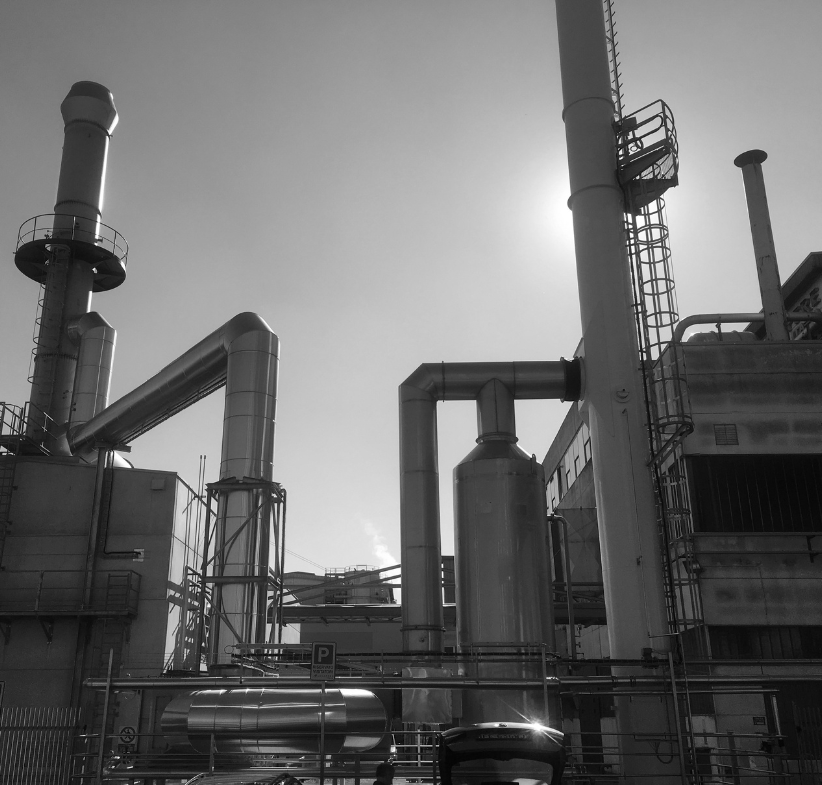
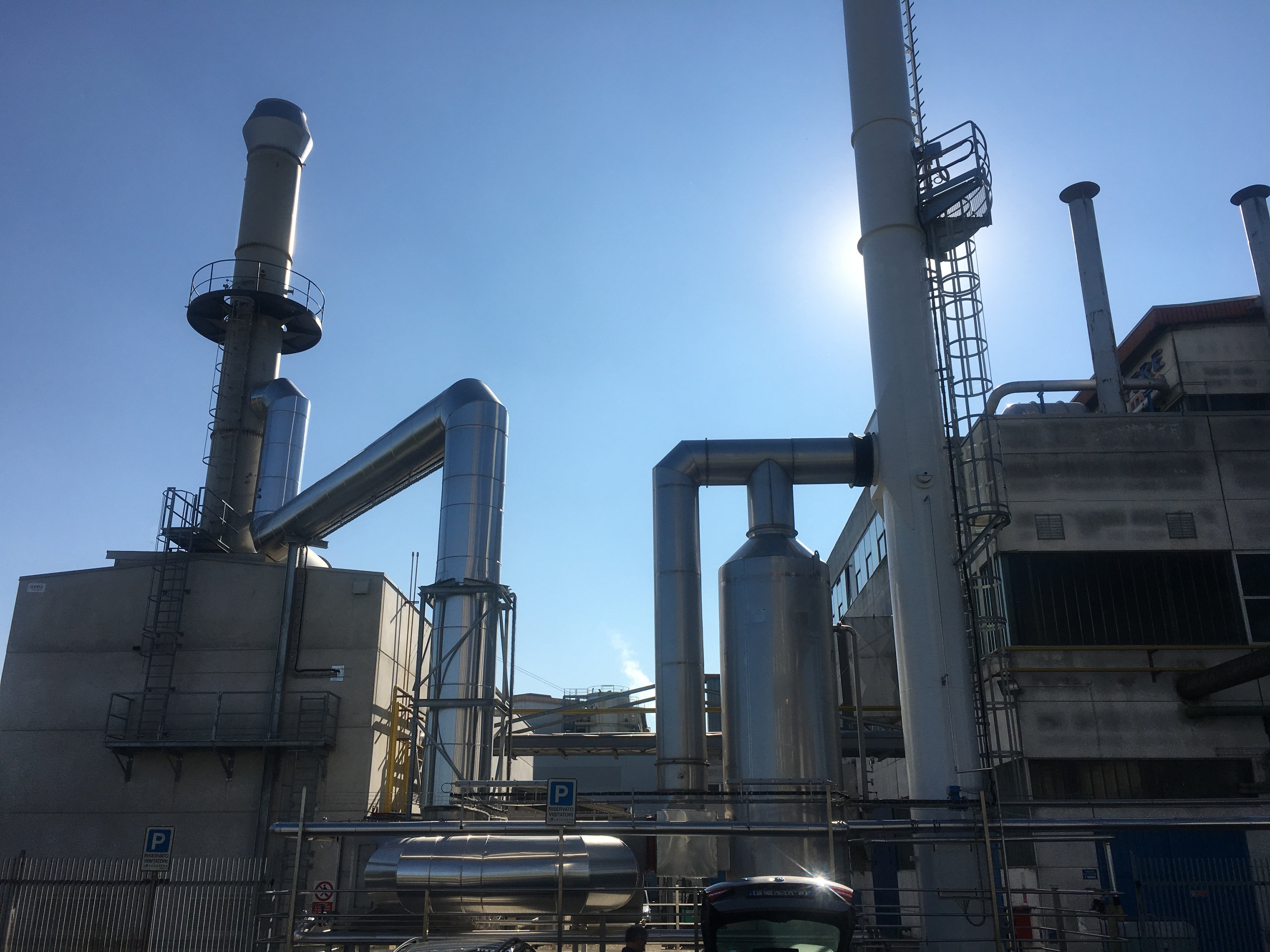
Completed FLU-ACE™ heat recovery installation with exhaust ductwork and stacks

Operating at industrial scale, the facility relies on tightly controlled fermentation and downstream processing, creating sustained demand for electricity, steam and hot water. Although a 4.4 MWe natural gas CHP system was already generating electricity and process heat onsite, significant thermal energy remained in the exhaust and there was further scope to improve steam-system efficiency.

Thermal Energy International installed a FLU-ACE™ condensing heat recovery system alongside GEM™ Steam Traps, reducing natural gas consumption and improving the overall efficiency of the site’s thermal energy system. Ten years after commissioning, both technologies continue to operate reliably, providing strong evidence of their long-term performance and durability.

GEM™ Conversion Delivers €93,000 in Annual Steam Savings

The facility’s maintenance and energy team was seeking to reduce steam consumption across the site and evaluated whether replacing its existing mechanical steam traps with GEM™ Steam Traps could deliver measurable savings.

Unlike mechanical designs, GEM™ uses a calibrated full-venturi design with no moving parts, continuously discharging condensate while preventing the loss of live steam.

Thermal Energy International carried out comparative bucket testing between GEM™ Steam Traps and the site’s existing mechanical traps. Even against traps assessed as operating correctly, the results demonstrated significant steam-saving potential and indicated a project payback of approximately nine months.

The facility’s own engineers conducted an independent assessment, verifying the projected payback and identifying annual steam savings of 8.5 tonnes per trap on the 12-bar system and 10 tonnes per trap on the 4.5-bar system.

Following a full-site conversion across process equipment, plate heat exchangers, line drainage and trace heating, steam consumption was monitored against production output to verify performance across the completed installation. After seven months of metering, the facility confirmed average steam savings of 600 kg/h at constant production, equivalent to approximately 3,400 tonnes of steam per year and €93,000 in annual savings. The measured performance exceeded the original projections and delivered a faster payback than anticipated.

Alongside the energy savings, the conversion increased condensate return at the correct temperature, eliminated visible steam plumes and significantly reduced steam-trap maintenance.

Ten years after the initial conversion, the GEM™ Steam Traps continue to operate reliably, sustaining the steam savings, improved condensate return and reduced maintenance achieved by the project. As the steam system has expanded, the facility has continued to choose GEM™, establishing it as the site’s preferred steam-trap technology and demonstrating sustained confidence in its long-term performance.

The facility’s efficiency improvements also extended beyond the steam system to its existing CHP installation.


FLU-ACE™ Cuts Natural Gas Use by 20% Through Additional CHP Heat Recovery

The facility’s 4.4 MWe gas-turbine CHP system already recovered higher-grade exhaust heat through a waste heat boiler. However, the exhaust still contained useful thermal energy suitable for the facility’s lower-temperature hot-water requirements.

Thermal Energy International installed a FLU-ACE™ condensing heat recovery system downstream of the waste heat boiler, adding a further stage of recovery to the cogeneration system. The recovered energy was used to heat water for the site’s degasser and hot-water storage system, reducing the need for additional gas-fired heating.

Delivered as a turnkey retrofit, the project integrated the FLU-ACE™ tower, associated fan and exhaust ductwork into the facility’s existing CHP infrastructure.

Commissioning data confirmed that the FLU-ACE™ recovered approximately 1.2 MW of useful thermal energy while delivering hot water at close to 80°C. The project cut natural gas consumption and associated greenhouse gas emissions by 20%, reducing annual CO₂ emissions by approximately 776 tonnes.

Completed FLU-ACE® heat recovery installation with exhaust ductwork and stacks

The FLU-ACE™ provided headroom for the facility to recover more energy as further heat-recovery requirements emerged. It was later upgraded to incorporate an additional high-temperature exhaust stream, extending the scope of the installation as the facility’s requirements developed.

Ten years after commissioning, the FLU-ACE™ remains operational, continuing to recover residual heat from the CHP exhaust, reduce direct fuel demand and improve the overall efficiency of the facility’s thermal energy system.

For other cogeneration facilities, the project demonstrates that a waste heat boiler does not necessarily capture the full usable value of the exhaust. Where lower-temperature hot-water demand exists, a further recovery stage can increase the useful output derived from the same fuel input and reduce the need for separate gas-fired heating.

Explore more Food & Beverage case studies

Speak to our team

Complete the form to speak to a thermal energy expert about improving steam-system efficiency, recovering waste heat from CHP and process exhausts and reducing fuel use across your site.

Get in touch